Healthcare in China: Which City Do You Go to for Which Problem
Chinese medicine is not one system and Chinese hospitals are not interchangeable. Every region ended up good at something specific — and the reasons are mostly about food, weather, industry and history.
Regional Healthcare
The Map of Chinese Healthcare
Each region on this map is known for one kind of case. Open a region to see what it treats best and why that reputation settled there.
Tap a shaded region or a medical hub pin on the map — then swipe left or right, or use the arrows, to browse every region and hub.
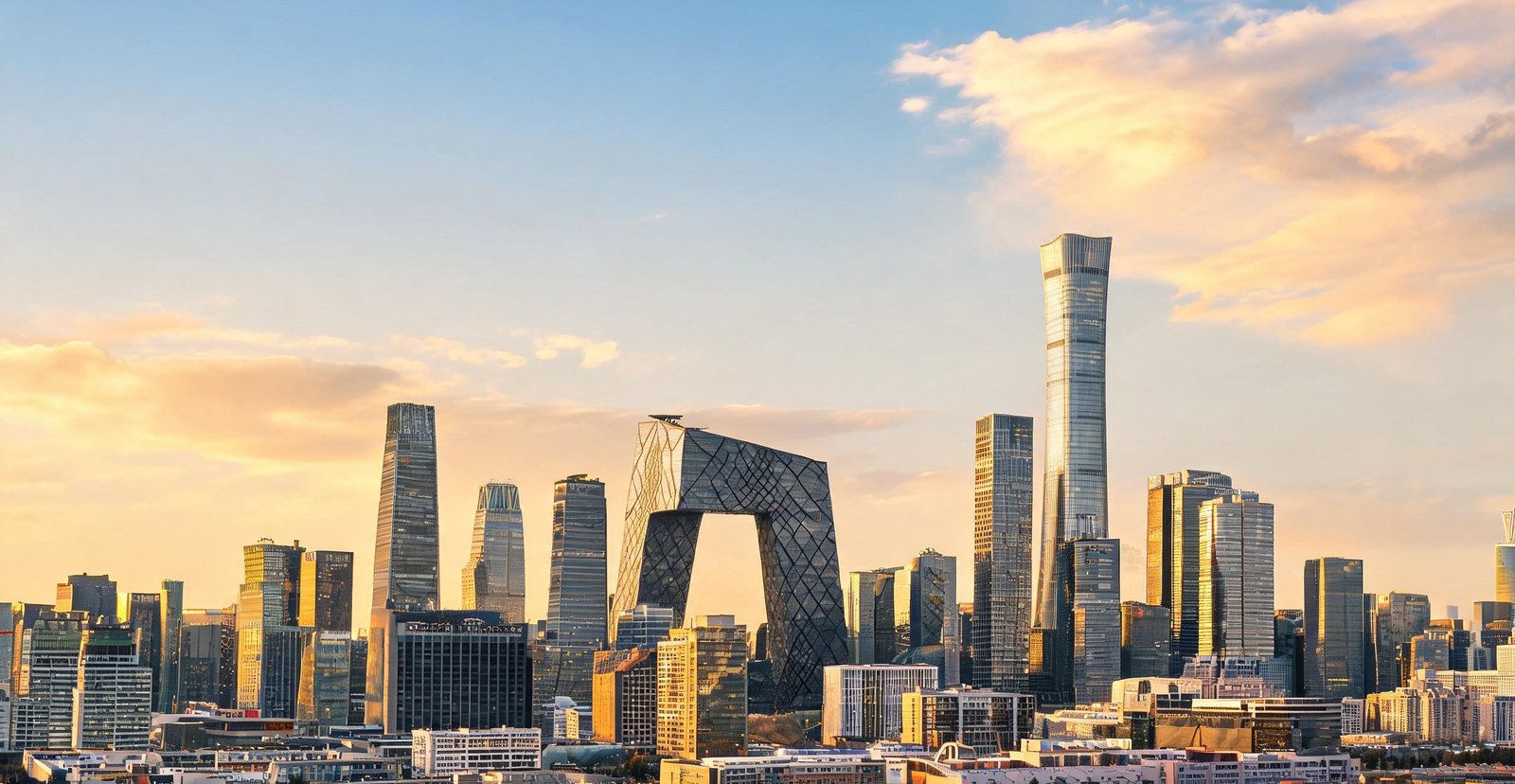
Beijing: the last stop for cases no one else can name
STRONGEST IN: COMPLEX AND RARE DISEASES
Beijing
When a case is too unusual or too far along for a local hospital, it is sent here. Peking Union Medical College Hospital has been the country's reference point for pathology, rheumatology, immunology, obstetrics and rare disease for a century.
Capital status concentrated ministries, military hospitals and the oldest medical schools in a single city. That layout was decided in the planned-economy era and has never really been dismantled.
Ice sculptures and black ice: one winter, two very different outcomes
STRONGEST IN: TRAUMA ORTHOPEDICS
Northeast China
Fractures and sports injuries are this region's specialty: Shenyang Orthopedic Hospital, Harbin Medical University and China Medical University all grew up around emergency bone work.
Four months of ice and short winter daylight mean both the falls and the osteoporosis that makes falls worse. Skiing adds its own caseload, and the old heavy-industry belt added decades of workplace trauma.
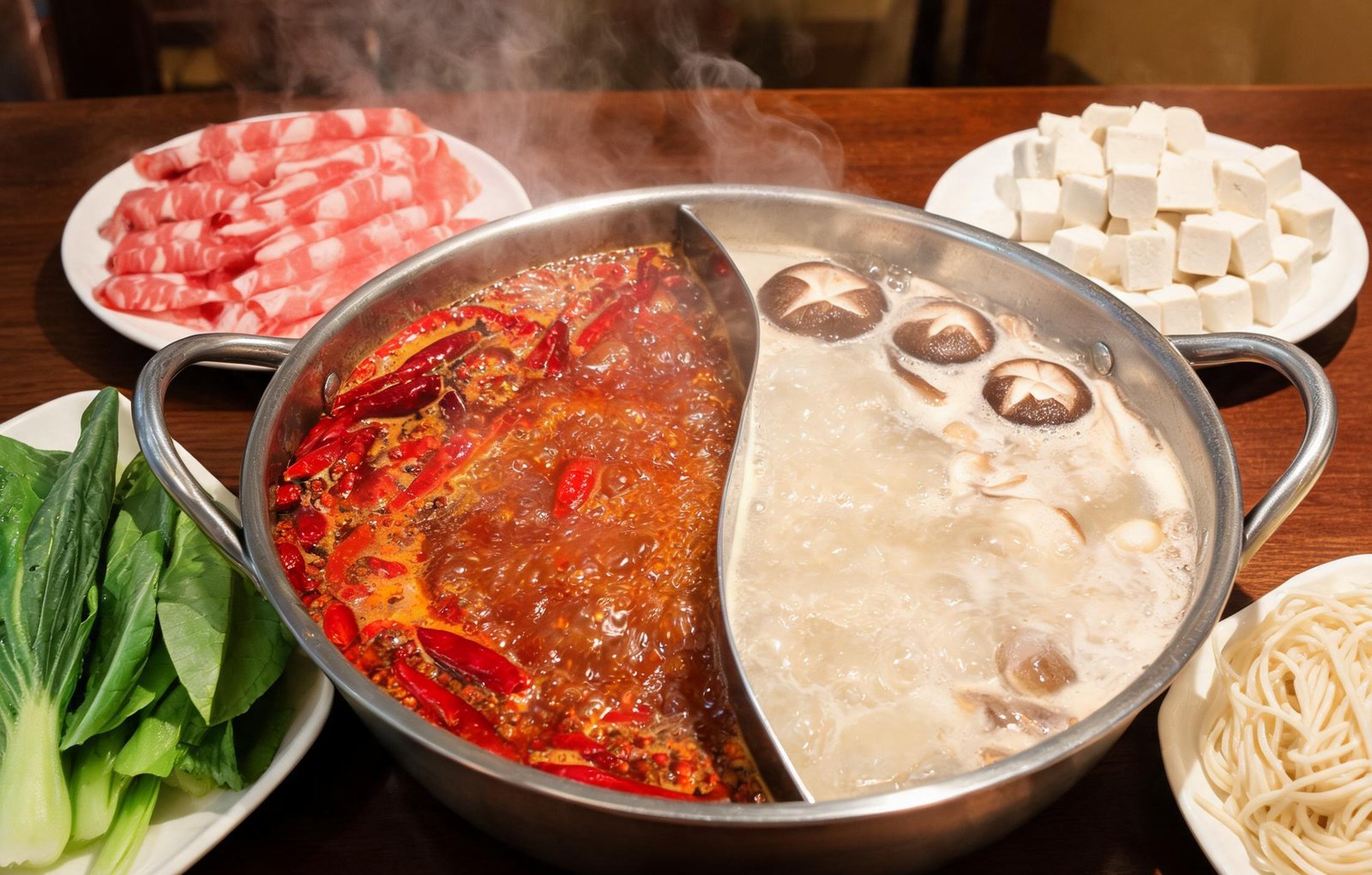
The broth and the consequence: hotpot is the reference case here
STRONGEST IN: PROCTOLOGY
Sichuan & Chongqing
Sichuan has more proctology hospitals than any other province, and the specialty traces back to a clinic opened in Chengdu in 1851. West China Medical University built part of its reputation on it.
Chilli and Sichuan pepper are eaten daily rather than occasionally, and hotpot keeps a whole table eating late into the night. With a strong local medical school on hand, the complaint got a specialty built around it.
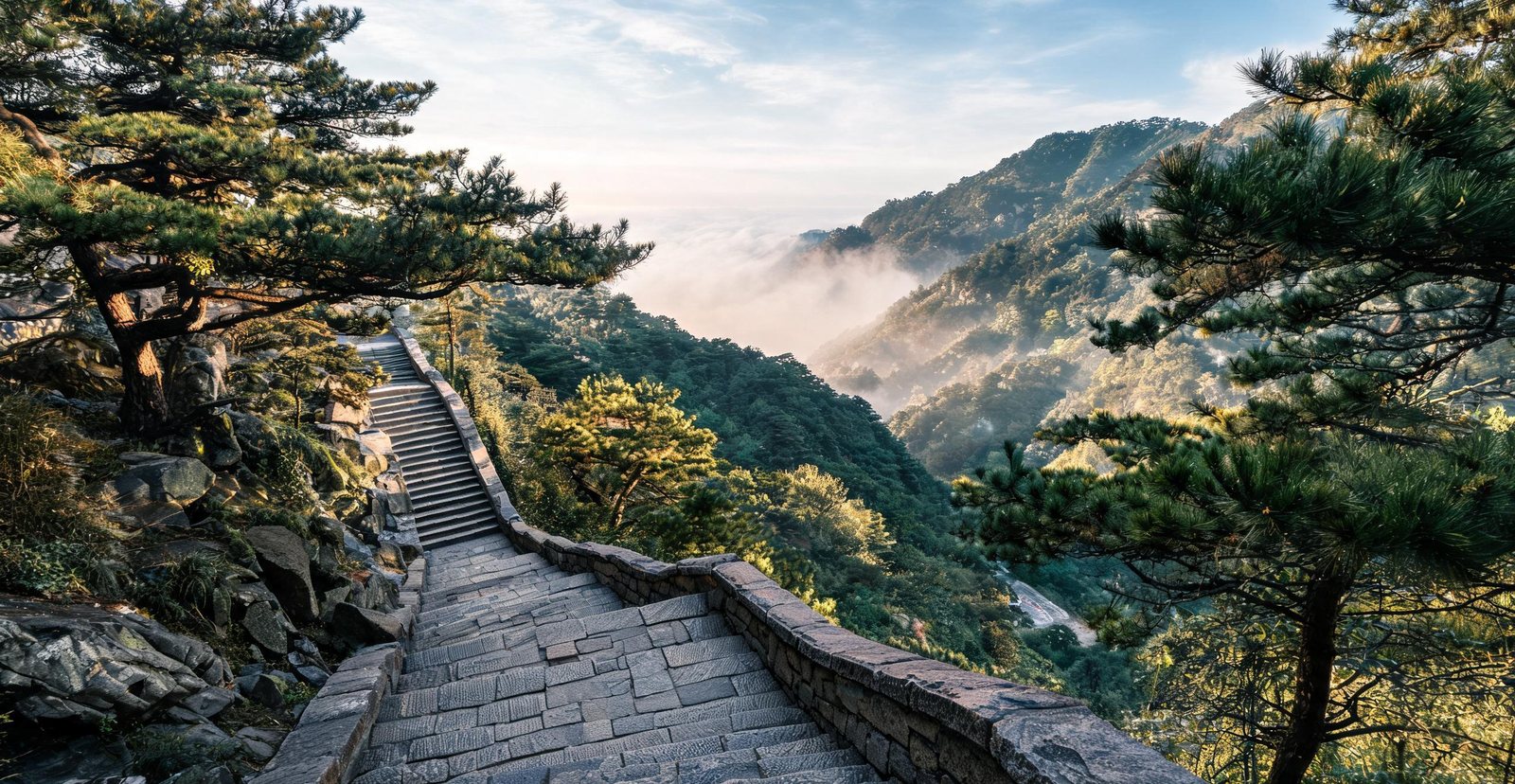
Mount Tai is the famous landmark — the reproductive centre is the medical one
STRONGEST IN: REPRODUCTIVE MEDICINE
Shandong
The Hospital of Shandong University is the country's first tertiary hospital dedicated to reproductive health and infertility, and its reputation in the specialty sits in the national top three.
It was founded in 1987 by Chen Zijiang, one of the first clinicians in China to run assisted reproduction, and the national engineering research centre for assisted reproduction and birth health was later placed here.
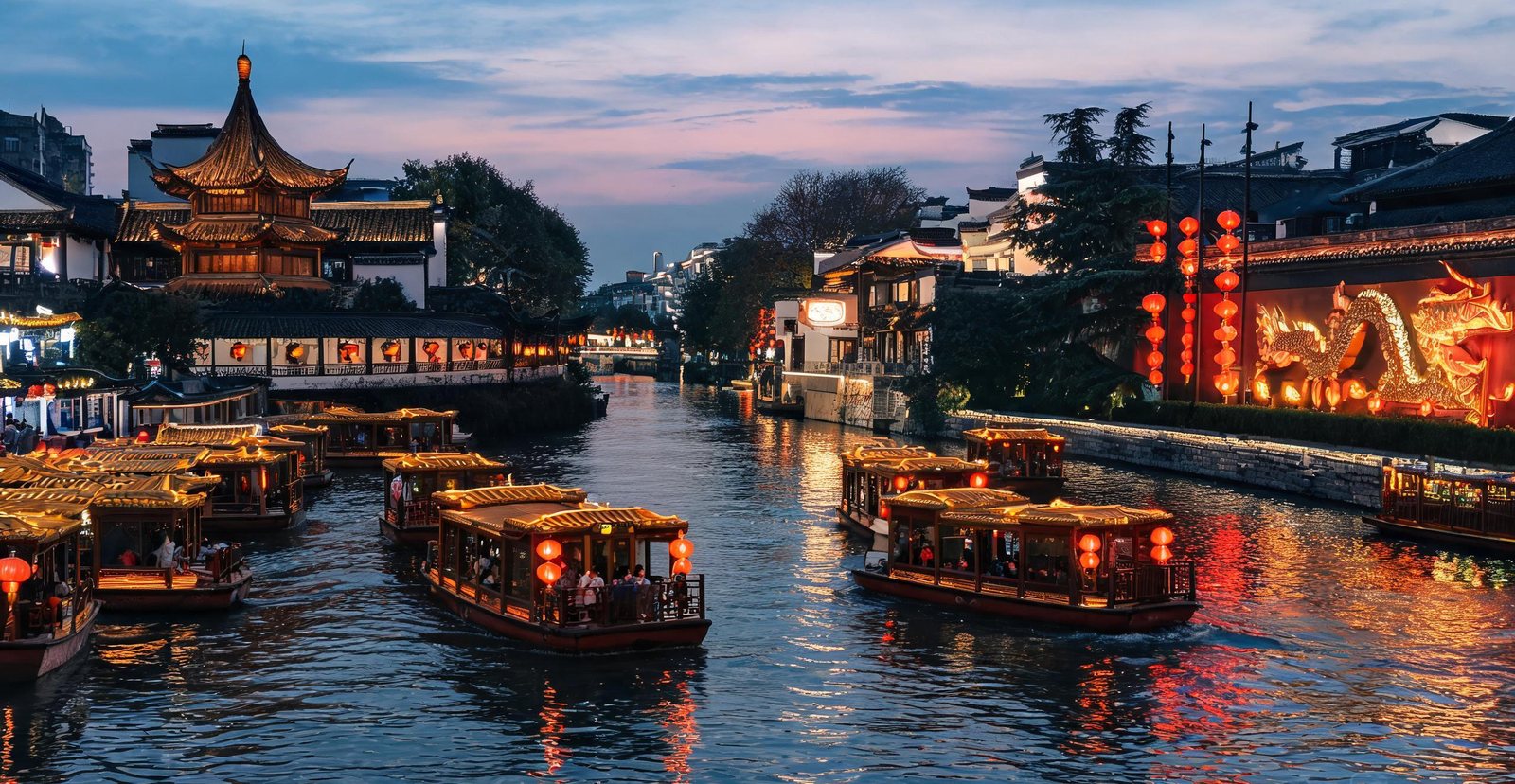
Nanjing: a national skin-disease institute inside an old capital
STRONGEST IN: DERMATOLOGY
Jiangsu
The Institute of Dermatology of the Chinese Academy of Medical Sciences sits in Nanjing and is treated as the national benchmark for skin disease.
A national-level institute was placed here rather than in the capital, and the universities around it kept feeding in clinicians and researchers.
Zhejiang: high myopia rates, and a university that made optometry a specialty
STRONGEST IN: OPTOMETRY AND MYOPIA CONTROL
Zhejiang
Wenzhou Medical University's Eye Hospital has held the top spot among the country's specialist eye hospitals for years, and its strength is optometry rather than surgery alone.
Wenzhou turned fitting glasses into an academic discipline with its own degree, and the city's private eyewear industry gave that discipline somewhere to go.
Fujian: trade routes, ritual, and a palace formula that reached Zhangzhou
STRONGEST IN: PIAN ZAI HUANG AND FUJIAN MEDICINE
Fujian
Pian zai huang, made in Zhangzhou, is one of the very few Chinese patent medicines whose formula is a state secret; it is used for hepatitis and inflammatory conditions.
Maritime trade through southern Fujian brought herb traders and a habit of taking medicine as part of the daily diet. A Ming-dynasty palace formula is said to have reached Zhangzhou and stayed.
Guangzhou: morning-tea culture, and the south's busiest dental hospital
STRONGEST IN: STOMATOLOGY
Guangdong
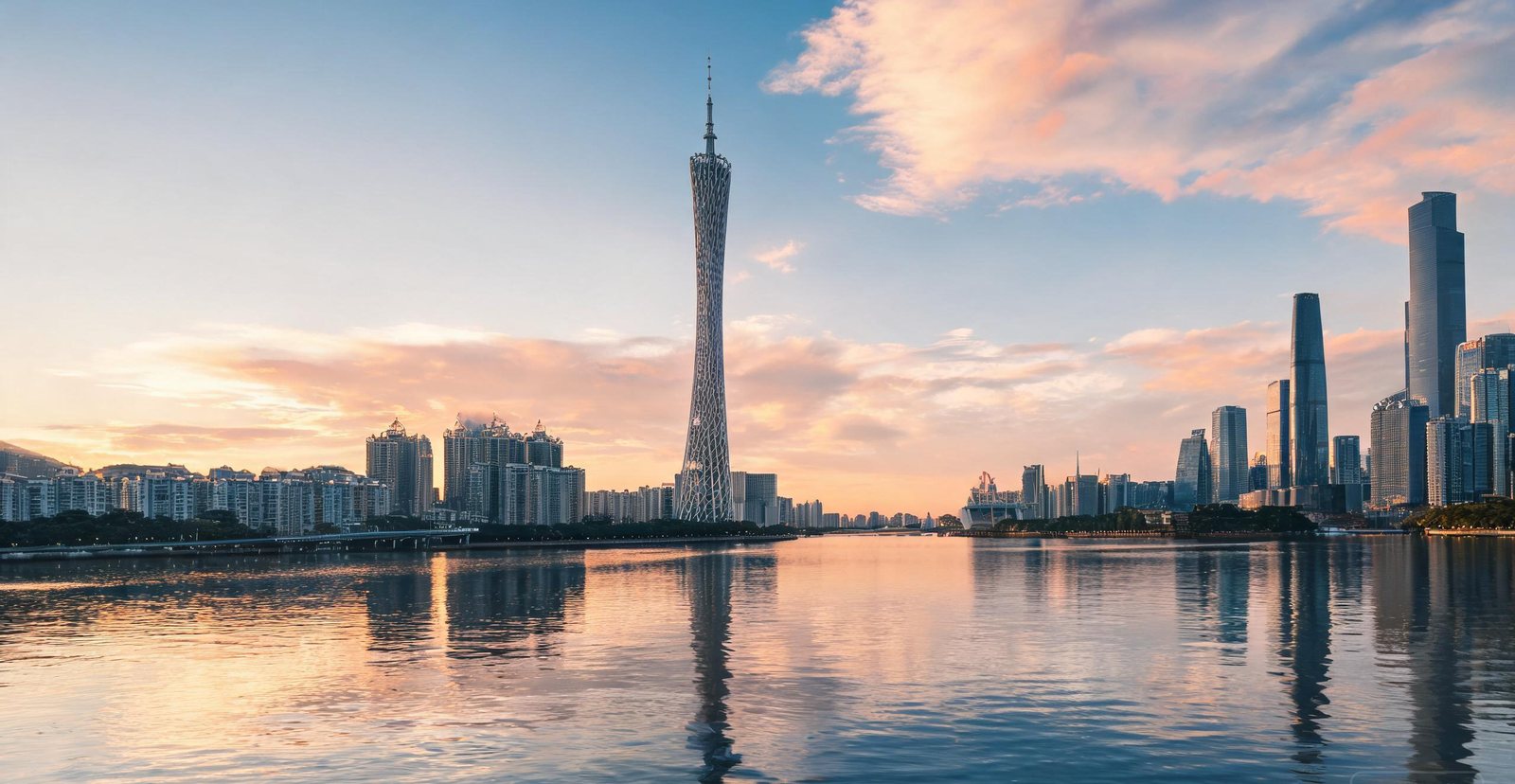
Sun Yat-sen University's Guanghua School of Stomatology runs the leading dental hospital in southern China and ranks among the world's top fifty for dentistry.
A long teaching tradition in the south, plus proximity to Hong Kong and Macao, which pulls in both patients and specialists.
Hunan: a 1914 medical school and a province-sized patient base
STRONGEST IN: PSYCHIATRY AND MENTAL HEALTH
Hunan
Xiangya Second Hospital ranks fourth nationally in psychiatry, and the wider Xiangya system is also strong in ear-nose-throat and orthopedic surgery.
Xiangya began as a modern medical school in 1914 and never lost the teaching-hospital culture that came with it. A province this large supplies the demand.
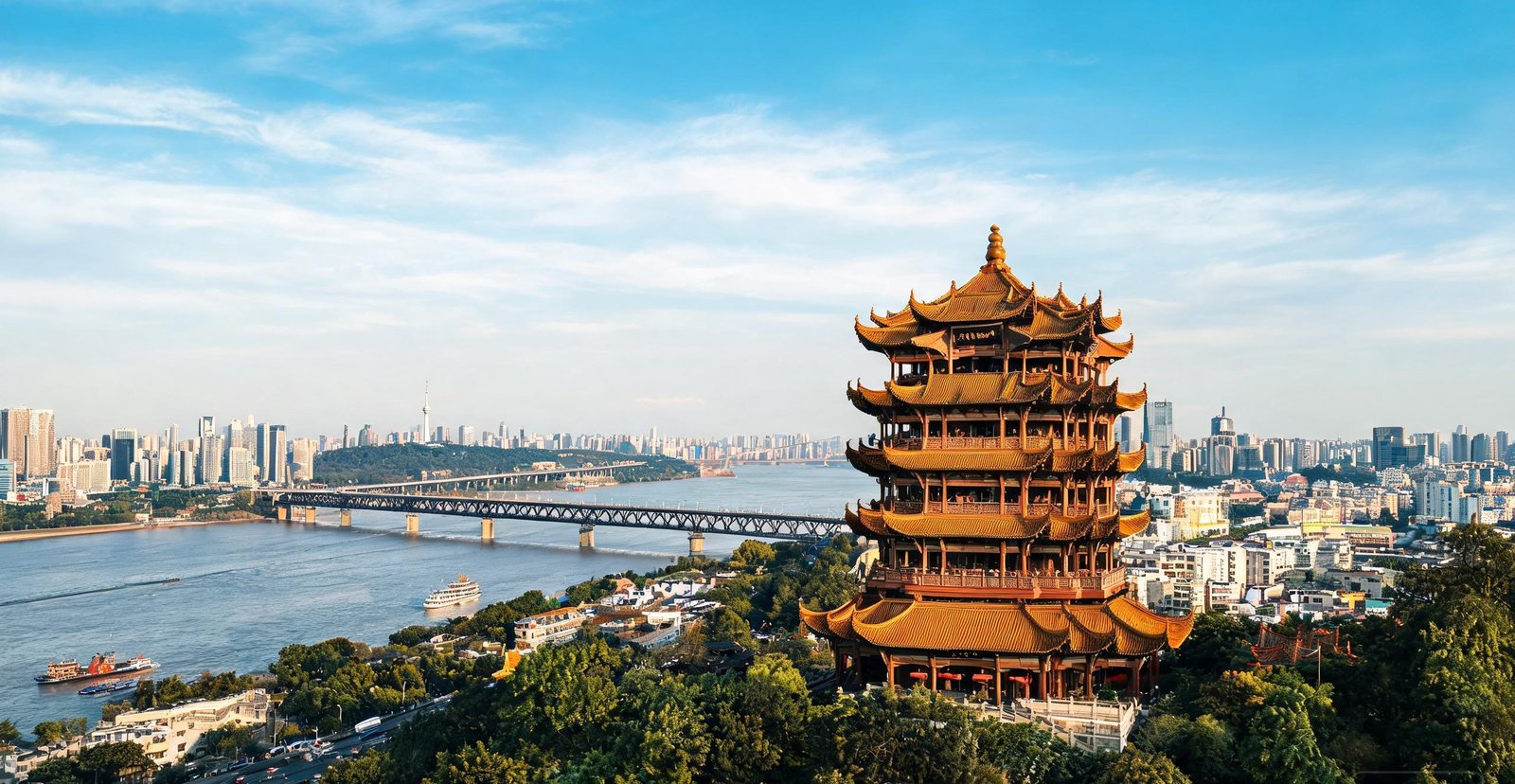
Wuhan: the crossroads, and a disease-control system rebuilt under pressure
STRONGEST IN: INFECTIOUS DISEASE AND PUBLIC HEALTH
Hubei
Tongji, Union and Jinyintan hospitals in Wuhan are the reference points for infectious disease response and intensive care in central China.
Wuhan is the crossroads of nine provinces, so infections travel through it — and 2020 forced the city's disease-control capacity to be rebuilt at speed.
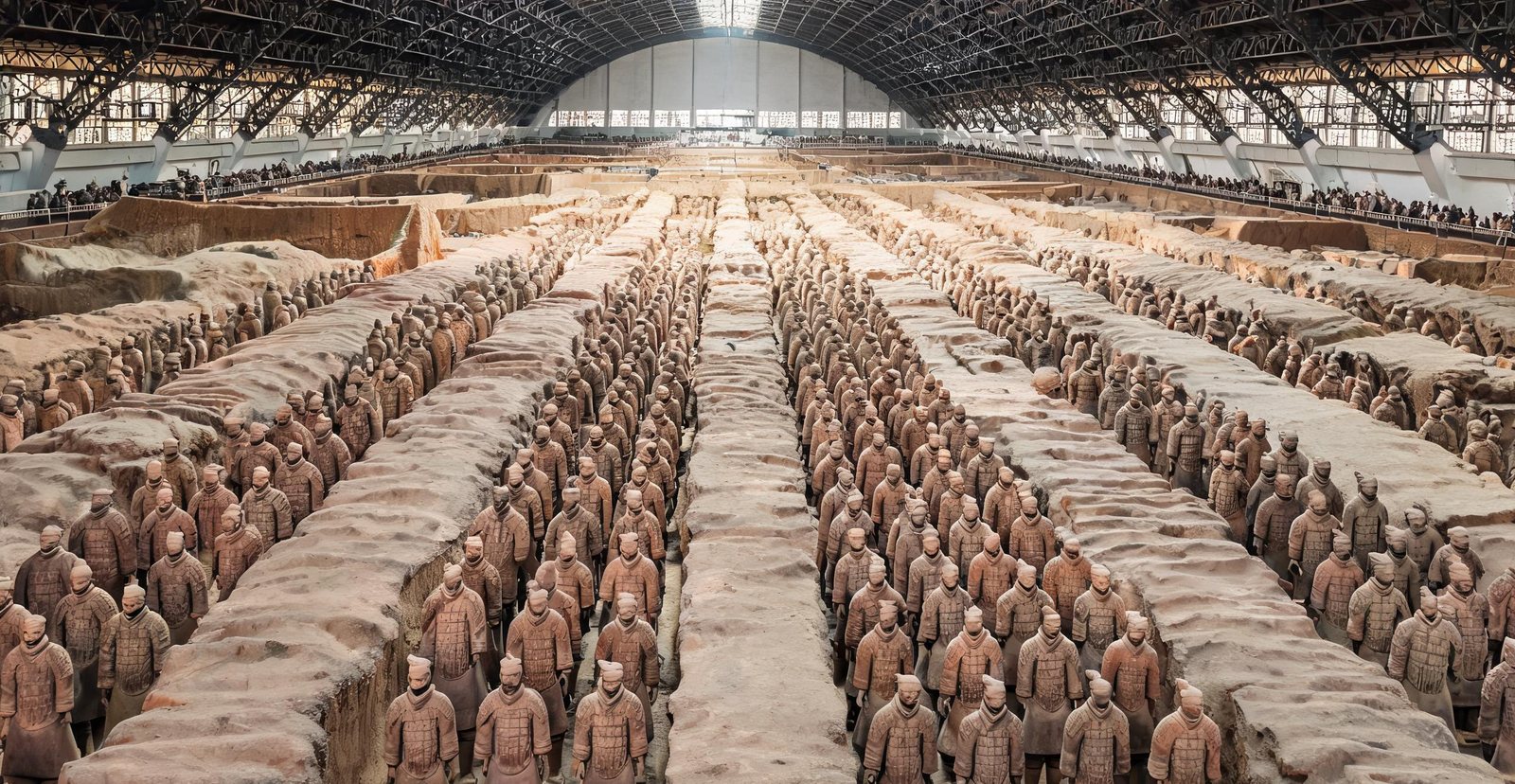
Xi'an: three thousand years of city, and a century of bone surgery
STRONGEST IN: ORTHOPEDICS AND SPORTS MEDICINE
Shaanxi
Xi'an Honghui Hospital is counted among the three biggest orthopedic centres in the country and is the only national-level orthopedic centre in the northwest.
This one is supply-led rather than demand-led. The hospital was founded in 1911 and grew out of war and disaster relief, so a century of bone work piled up before patients from five provinces started concentrating here.
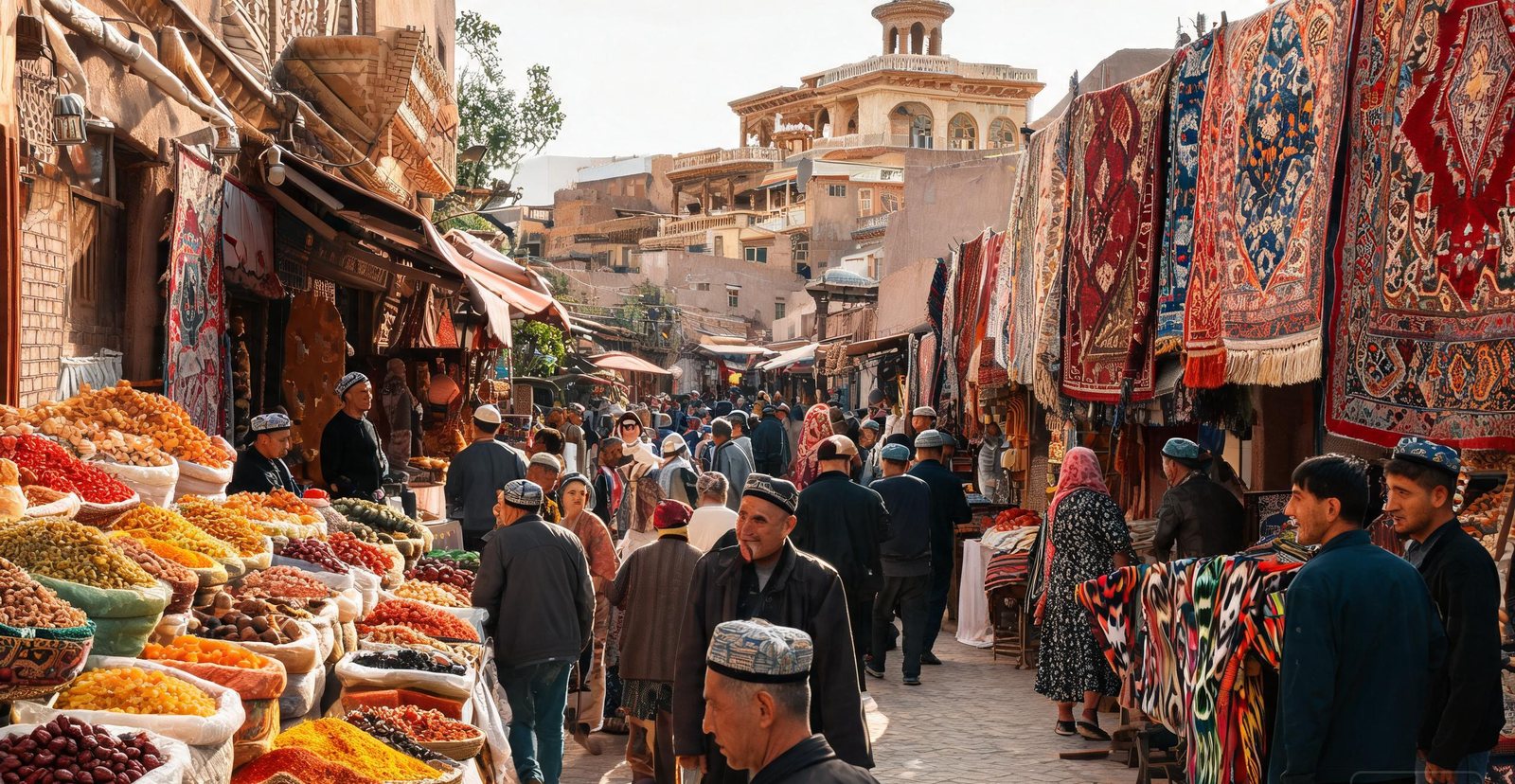
Kashgar: Silk Road medicine that is still prescribed today
STRONGEST IN: UYGHUR MEDICINE
Xinjiang
Uyghur medicine is practised openly in local clinics and hospitals, with its own diagnostic system and its own treatments for vitiligo and skin conditions.
It absorbed Persian and Indian medicine along the Silk Road, and distances this large pushed a network of local practitioners out into small towns.
Xishuangbanna: tropical, multi-ethnic, and a different list of diseases
STRONGEST IN: ETHNIC MEDICINE AND TROPICAL DISEASES
Yunnan
Dai medicine is used alongside modern care, while border hospitals handle malaria, dengue and snakebite as routine work.
Dozens of ethnic groups, a tropical border and open crossings into Southeast Asia mean the disease map here is not the same as inland China's.
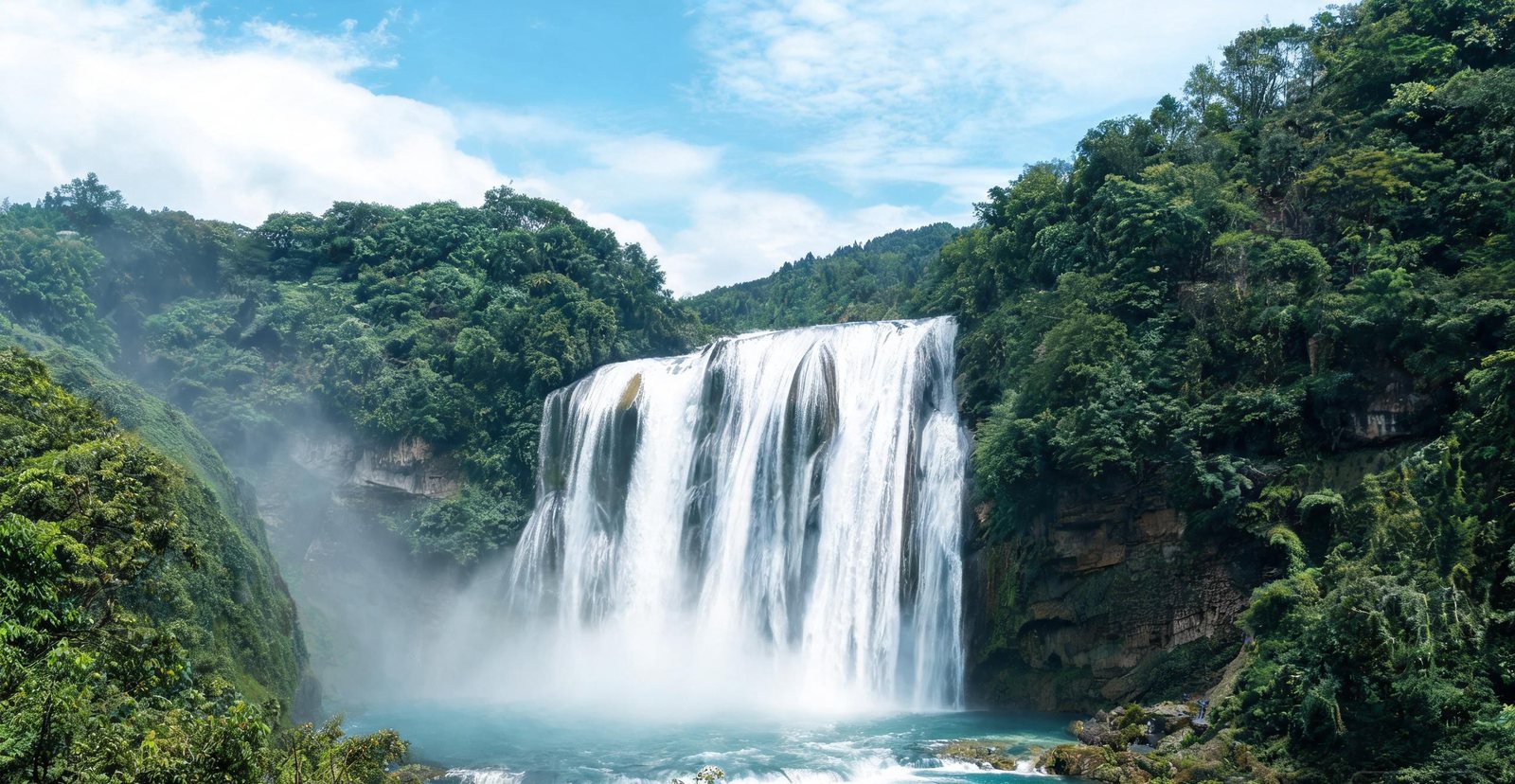
Guizhou: karst, coal, and the after-effects of both
STRONGEST IN: MIAO MEDICINE AND ENDEMIC DISEASE CONTROL
Guizhou
Miao medicine is part of everyday care in Guizhou, and the province also ran one of the country's biggest campaigns against coal-burning fluorosis.
Karst mountains kept herbal traditions local and alive; the coal that heated the same houses left fluoride in the air, the food and the teeth.
STRONGEST IN: SINGLE-PAYER HEALTH INSURANCE
Taiwan
Taiwan's National Health Insurance is a single-payer system with near-universal coverage and low out-of-pocket costs, and it is often used as the comparison case when people debate insurance design.
In 1995 the fragmented insurance schemes were merged into one system with a single payer, which is why the coverage statistics here look different from the mainland's.
Shanghai: treaty-port hospitals that turned into research departments
STRONGEST IN: HAEMATOLOGY AND ENDOCRINOLOGY
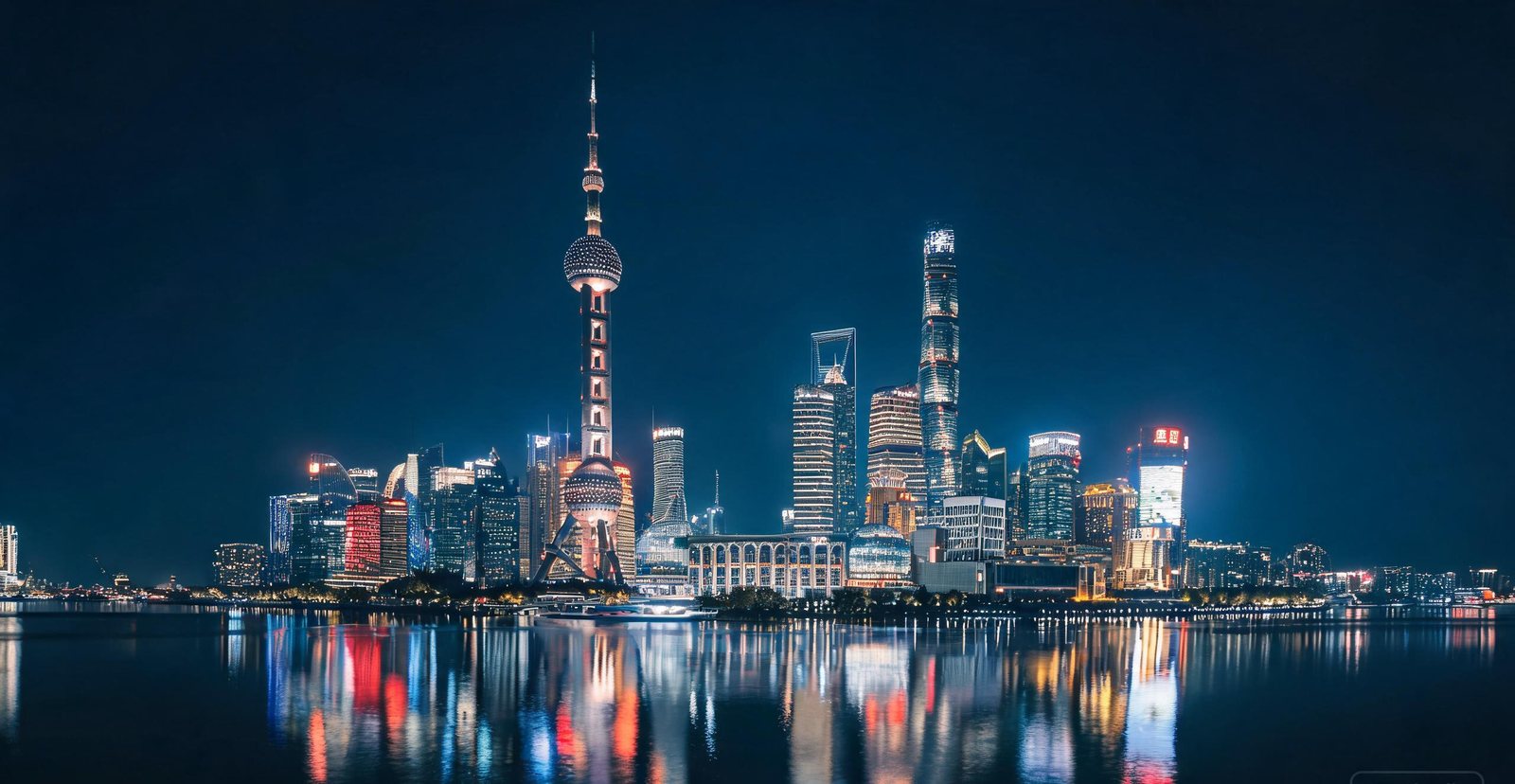
Shanghai
Ruijin Hospital's haematology department produced the treatment protocol that turned acute promyelocytic leukaemia into a curable disease, and its endocrinology ranks first nationally.
The city's Western-medicine tradition starts with the treaty-port hospitals, and the medical schools that grew out of them kept the research culture alive.
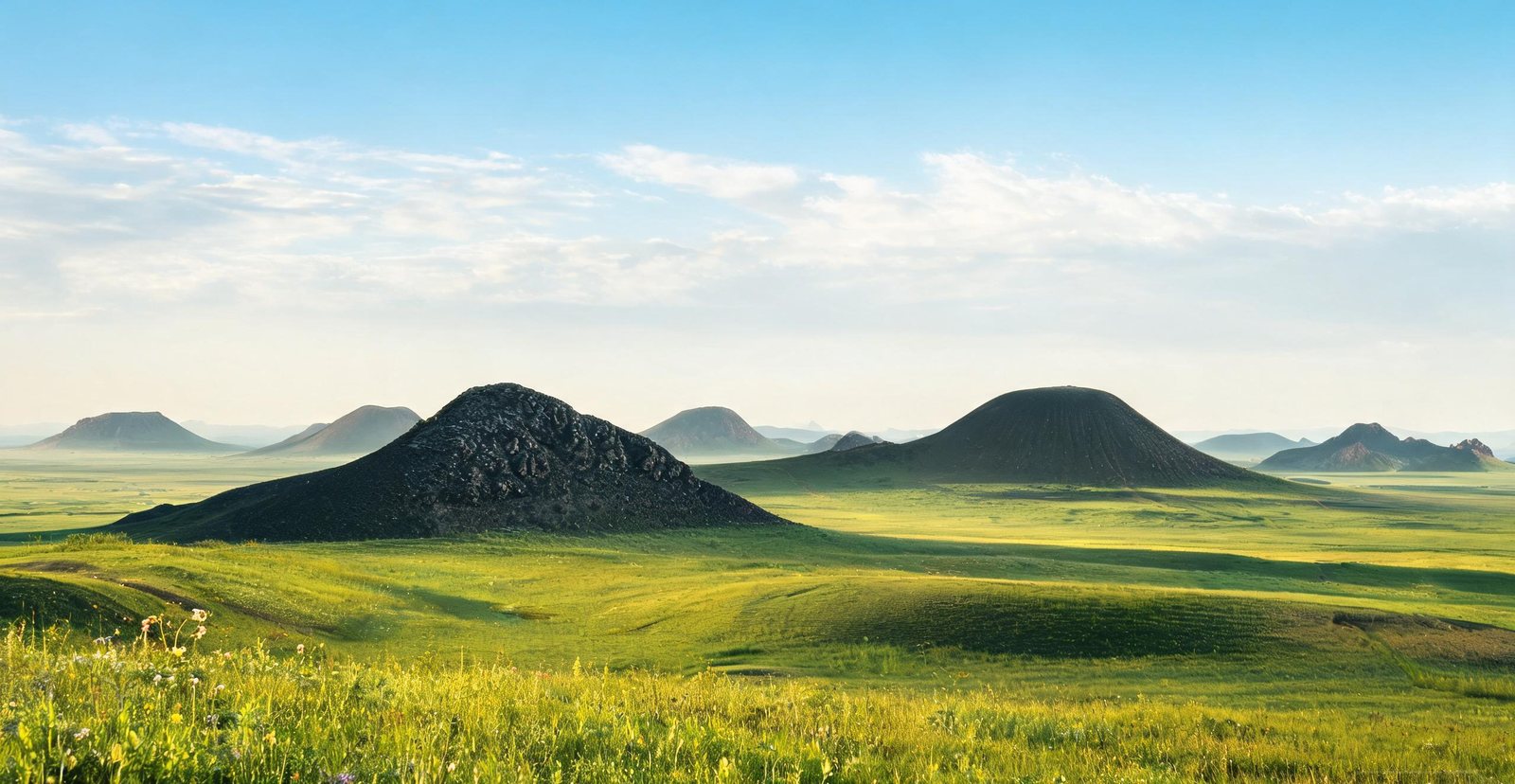
Grassland distances: why the bone-setter still comes to you
STRONGEST IN: MONGOLIAN BONE-SETTING
Inner Mongolia
Tongliao's Mongolian medicine bone-setting hospital is the birthplace of the technique and a national intangible heritage, and Hohhot's international Mongolian medicine hospital teaches the same method.
Riding and herding injuries made bone-setting a household skill on the grassland, and with towns hundreds of kilometres apart, a practitioner who travels to the patient matters more than a clinic that waits.
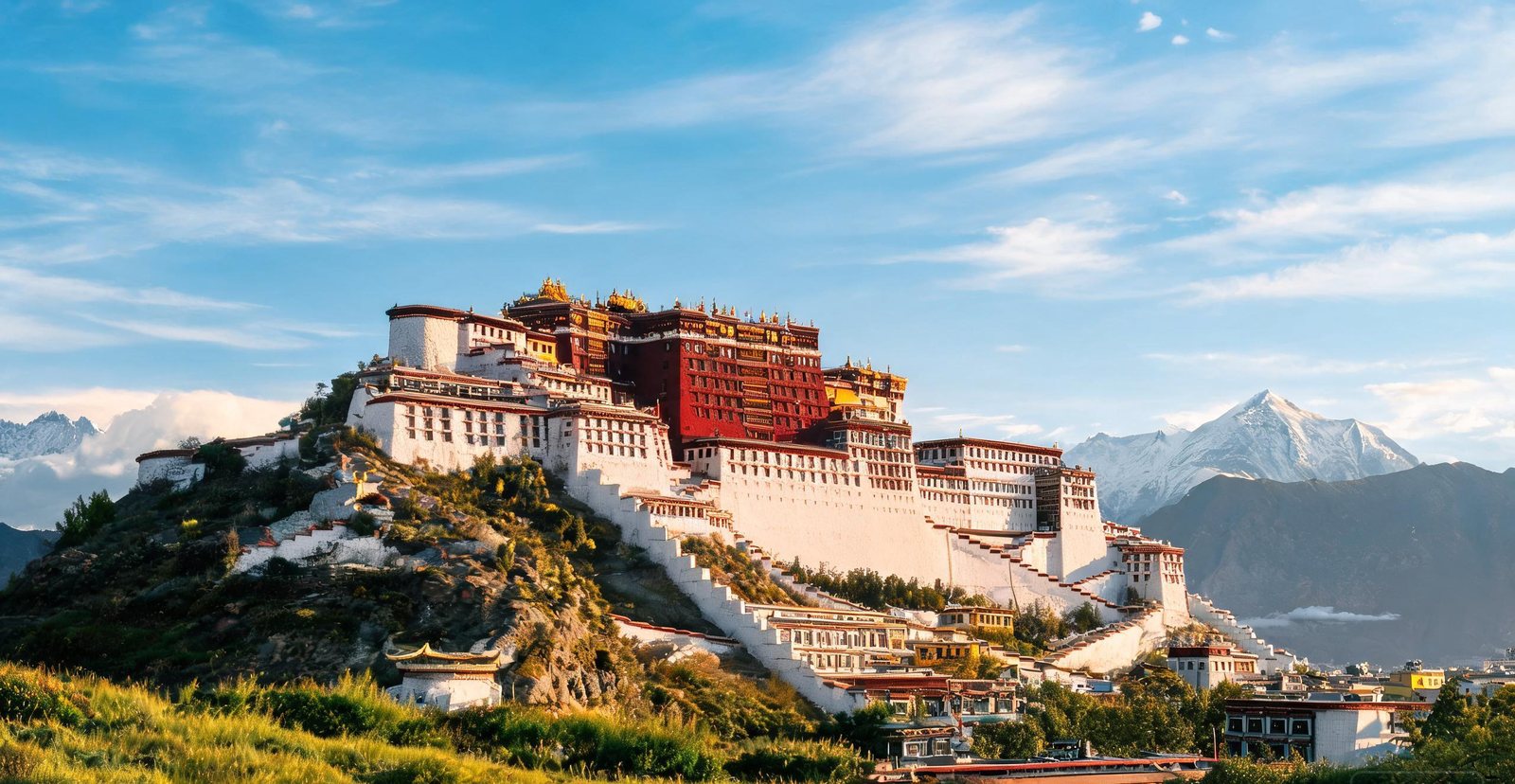
Lhasa: a medical system with its own illustrated textbooks
STRONGEST IN: TIBETAN MEDICINE
Tibet
Tibetan medicine runs its own curriculum, its own pharmacopoeia and its own visual teaching charts, and medicinal bathing is a recognised treatment rather than a spa add-on.
Altitude shaped a distinct theory of the body, monasteries preserved the texts, and pairing with inland hospitals brought the schools back up to scale.
Gansu: the caves, and the mountainsides that grow the herbs
STRONGEST IN: CHINESE HERBAL MEDICINE
Gansu
Gansu grows much of the country's angelica, astragalus and codonopsis, and it is one of the national pilot provinces for reforming how Chinese medicine is developed.
Cold, damp mountainsides happen to be exactly what those roots want, and provincial policy then treated the herb trade as a health strategy rather than only farming.
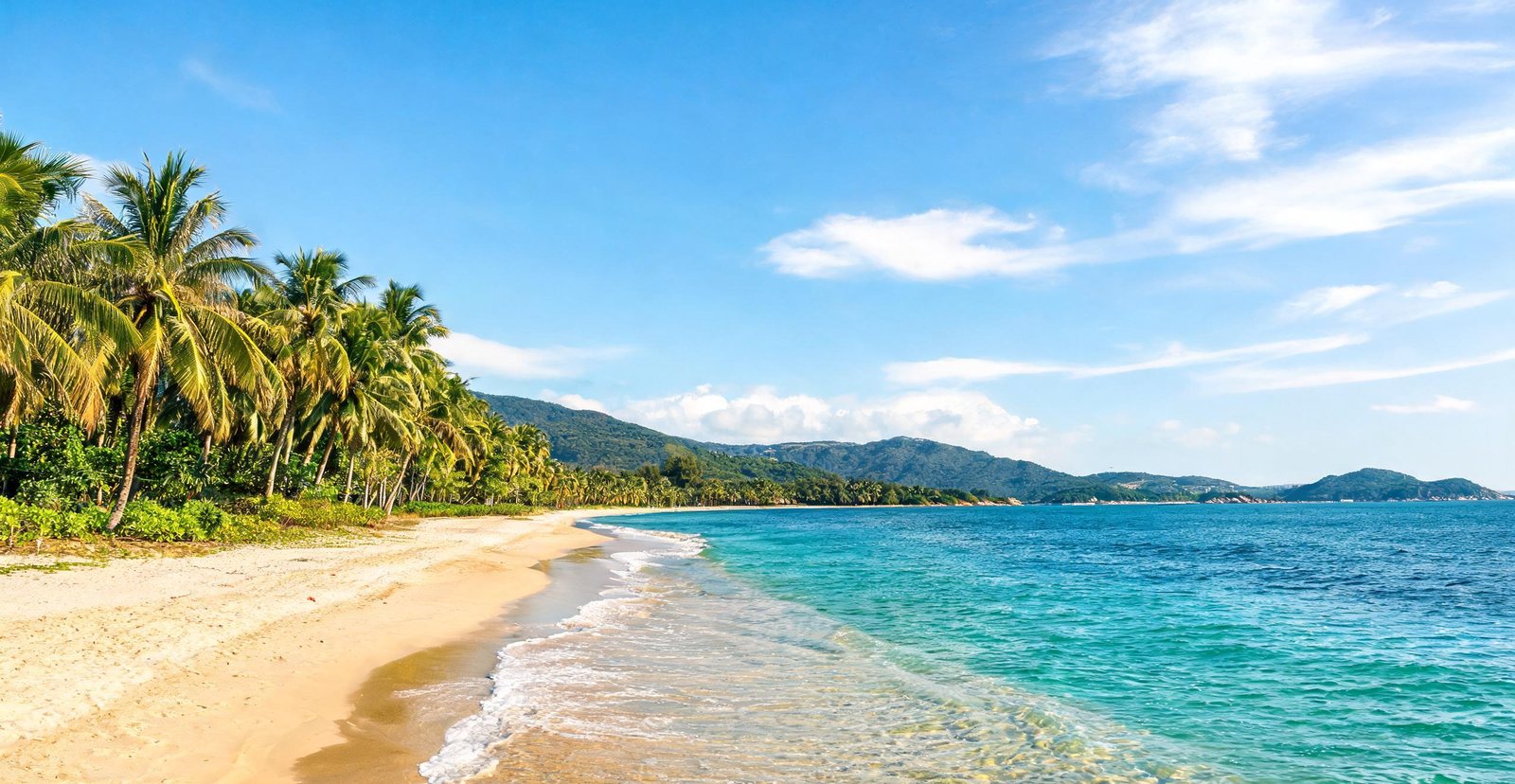
Hainan: a zone where unapproved drugs can be prescribed legally
STRONGEST IN: LICENSED PILOT MEDICAL ZONE
Hainan
The Boao Lecheng pilot zone can approve drugs and devices that are not yet on the mainland market, so patients travel there for treatments they cannot get anywhere else.
It exists because a national policy created it: a bounded area allowed to import clinically needed medicines early, and to use them under supervision.
Why It Looks This Way
Six Forces Behind the Map
The same six forces keep turning up behind every regional specialty: what people eat, what the weather does, what the local industry was, which ethnic medical systems survived, where the medical schools were built, and what policy decided.
WHY
Diet Writes the Referral
Chilli and pepper keep Sichuan's proctology departments busy, salt-cured food along the coast shows up as stomach problems, and morning tea with sugar shows up in Guangdong's dental chairs. What a region eats decides which department has the longest queue.
WHY
Climate Leaves Its Marks
Ice and black ice produce the Northeast's fracture caseload, thin air produces plateau medicine in Tibet and Qinghai, and damp cold is why the southwest keeps talking about rheumatism and joints.
WHY
Industry and Accidents
Mines, forests and heavy plants handed local hospitals decades of trauma and bone injuries, and the hospitals built for the Third Front still stand exactly where they were placed.
WHY
Ethnic Medicine Still Practised
Tibetan, Mongolian, Uyghur, Miao and Dai medicine each remain their own system, and each still appears in local clinics and on local insurance lists.
WHY
Where the Medical Schools Are
One medical school often creates one specialty: Xiangya produced psychiatry, West China produced proctology, Peking Union produced complex cases, and Honghui produced orthopedics.
WHY
Policy Redraws the Map
Sanming's hospital reform, Boao's licensed drug imports, national regional medical centres and paired-assistance programmes keep rewriting the answer to where a patient should go.